








|
||||||||
| Science and Society - some reflexions | ||||||||
|
||||||||
| Synopsis | ||||||||
|
||||||||
| Science provides knowledge that technology transforms into means of action. Their impact on society will depend on the effective use that is being made of them. Chemical and physical sciences have profoundly modified the living conditions of mankind, in particular chemistry has played a central role. Its creative power has made available a range of new materials and processes for the transformation of matter. These have often been perceived as unnatural and opposed to the natural ones. As a result the question of a control by society has become more and more actual. This requires information of the public and of decision-makers for evaluating the potential impact of technology on society as well as for preserving the necessary freedom of scientific research and of quest of knowledge. |
||||||||
|
||||||||
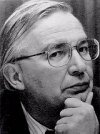
| Speakers: Prof. Jean-Marie Lehn, 1987 Nobel Prize Collège de France, ISIS-Université Louis Pasteur | ||||||||
|
||||||||
| Jean-Marie LEHN is Professor at the Collège de France in Paris. In 1968 his research led to the fabrication of cage-like molecules that contain a cavity into which another chemical species of appropriate size and shape may be included, like a key fits into a lock. With this began his work on the chemical basis of "molecular recognition" (i.e. the way in which a receptor molecule recognizes and selectively binds a substrate), which also plays a fundamental role in biological processes. For these studies Dr. Lehn received the Nobel Prize in Chemistry in 1987 with Cram and Pedersen. Over the years his work led to the definition of a new field of chemistry, which he has proposed named "supramolecular chemistry" as it deals with the complex entities formed by the association of two or more chemical species held together by intermolecular forces, whereas molecular chemistry studies the features of the entities constructed from atoms linked by covalent bonds. Author of more than 700 scientific publications, Dr. Lehn is a member of many academies and institutions and has received numerous international honors and awards. |
||||||||
|
||||||||
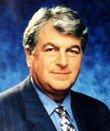
| Hosting MEP: M. Yves Piétrasanta | ||||||||
|
||||||||
|
http://www.yves-pietrasanta.com/ |
||||||||
|
||||||||
| Co-sponsor: JRC | ||||||||
|
||||||||
|
The Joint Research Centre is the European Union’s scientific and technical research laboratory and an integral part of the European Commission. A Directorate General, they are a a Commission service which provides the independent scientific advice and technical know-how to support EU policies. Their activities range from the assessment of safety standards for children’s toys and improved biomaterials for hip implants to new technologies for recycling water and the use of satellite systems to monitor land use and deforestation. Theirwork is split between institutional research in support of Commission policymaking, direct support for specific Directorates-General (DGs) and competitive activities in strategic relationships with the scientific and business communities.
|
||||||||
|
||||||||
| Other Information: | ||||||||
|
||||||||
|
||||||||
|
||||||||
| Register > | ||||||||
|
|
|
|
 |
|||
| Speaker: | |||
|
Prof. Jean-Marie Lehn |
|||
 |
|||
|
|
|||
| M. Yves Piétrasanta |
|||
|
|||
| Co-sponsor: | |||
|
Joint Research Centre |
|||
|
|||
| Register > | |||